Laboratory for Electronic Structure and Molecular Spin Modelling (ESTLab)

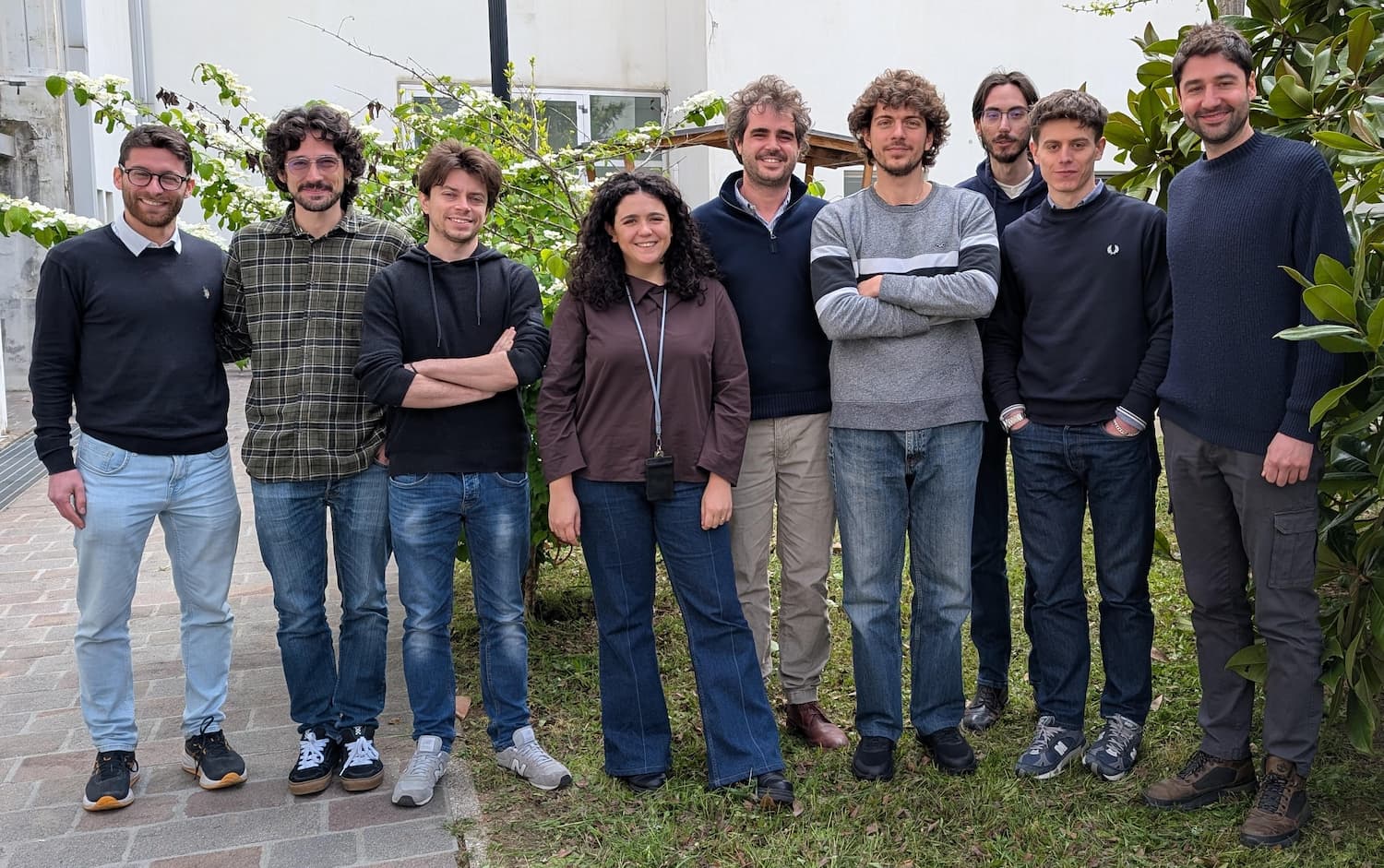
Group Overview
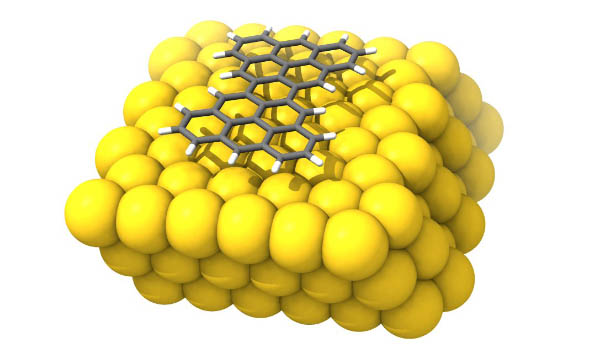
Led by Prof. Matteo Briganti, EST-Lab operates at the cutting edge of computational chemistry, condensed matter physics, and quantum information science. Based at the University of Florence, we specialize in the multi-level in silico simulation of magnetic molecules, ranging from single-molecule magnets (SMMs) to molecular spin qubits (MSQs) and open-shell nanographenes.
Our work is defined by a synergistic approach: we combine advanced wavefunction-based methods, periodic Density Functional Theory (pDFT), and emerging Artificial Intelligence (AI) techniques to predict, rationalize, and engineer the quantum properties of matter at the atomic level.
Discover more: The "Ab Initio" Compass
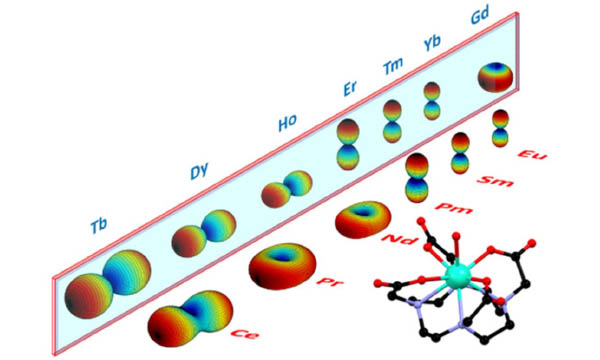
The realization of quantum devices requires materials with strictly controlled intrinsic properties. Magnetic molecules offer a unique platform for this technology - "plenty of room at the bottom" - where properties can be tuned by modifying metal ions, coordination geometry, and ligands.
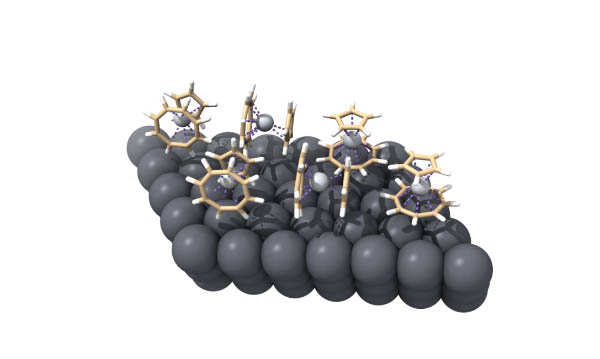
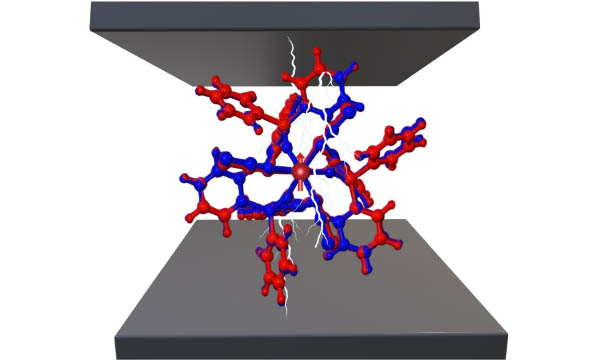
However, navigating the "mesoscopic jungle" of molecular magnets requires precise guidance. Our group acts as the computational compass for experimentalists. We do not just rationalize experimental data; we drive discovery by predicting how molecular systems will behave when adsorbed on surfaces, exposed to electric fields, or integrated into nanodevices.